Over the moon

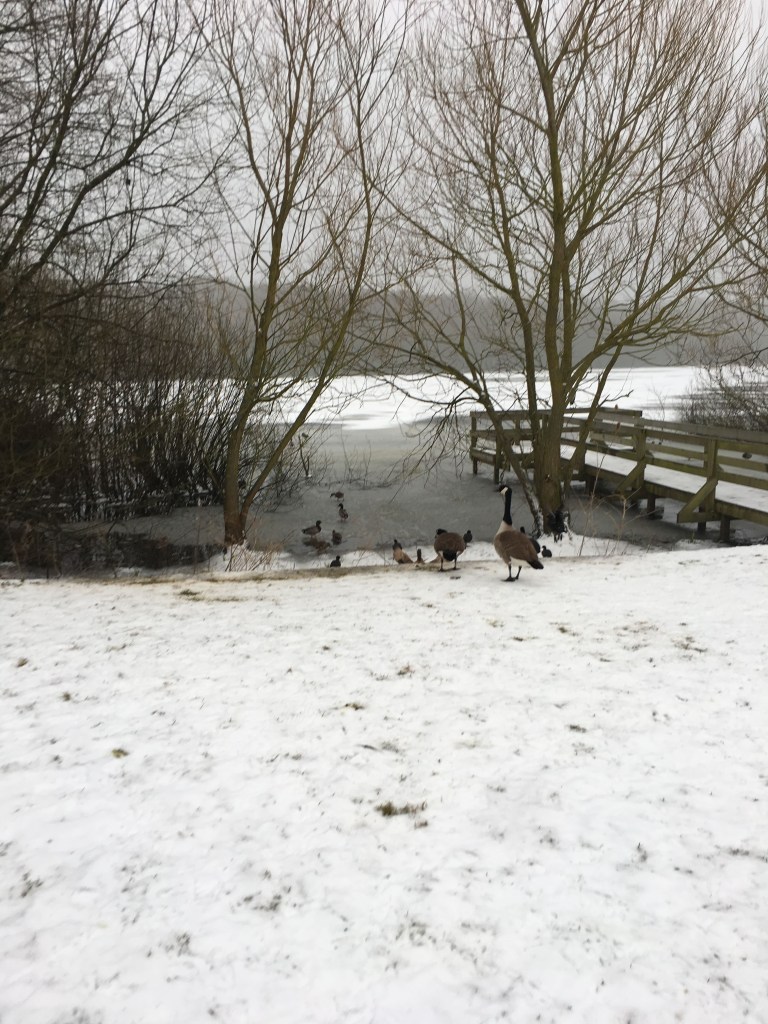
๐—ข๐˜ƒ๐—ฒ๐—ฟ ๐˜๐—ต๐—ฒ ๐—บ๐—ผ๐—ผ๐—ป is to be delighted with something or with the situation one finds oneself in. When people are extremely happy, or sportsmen achieve a victory, they frequently jump for joy, just as the cow did in the famous 18th century nursery rhyme when it jumped over the moon. If a cow can do it, the implication is that humans can also. Such joy knows no bounds and the moon after all is the Earthโ€™s nearest neighbour in space.โค๏ธ๐ŸŒ•

P.S: some discoveries of match are so joyful that you jump and dance ๐Ÿฉฐ , moon is always so beautiful and it was indeed gorgeous last night โ€ฆ

Winter love

โ„๏ธWinter loveโ„๏ธ

As the beats goes along

As the beats goes along

The melody in me longs for the song

As the days grows out from gold

As the days grows out from gold

The cold in me longs for the silvery hold

As the winters finds the roses to sigh

As the winters finds the roses to sigh

The fragrance in me longs for every missed try

As the letters builds into mountain of words

As the letters builds into mountain of words

The old story in me longs for the highs of the closest bonds

And then the now hooks

And then the now hooks

The elegance in me longs for good gum boots!

– love always, masuma

Curtain twitcher

โ„‚๐•ฆ๐•ฃ๐•ฅ๐•’๐•š๐•Ÿ ๐•ฅ๐•จ๐•š๐•ฅ๐•”๐•™๐•–๐•ฃ
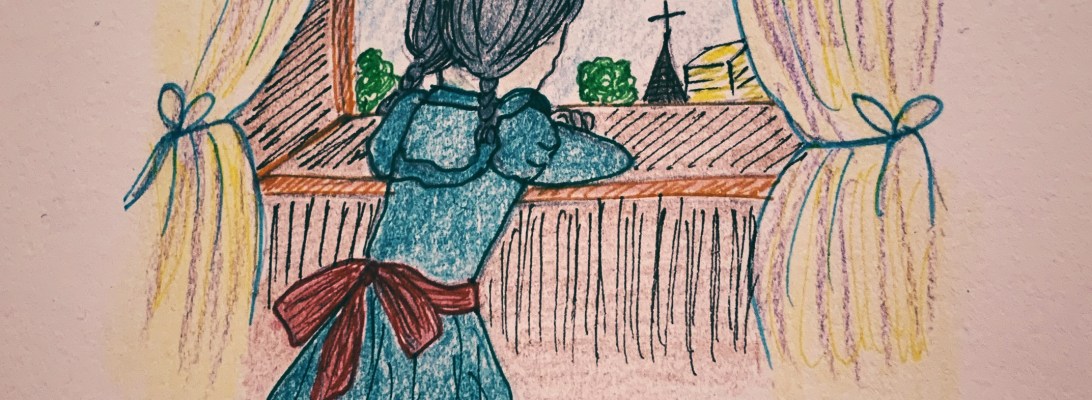
is someone who likes to watch unobserved what other people are doing

P.S: curtains are lovely and people are caring.

To spruce up

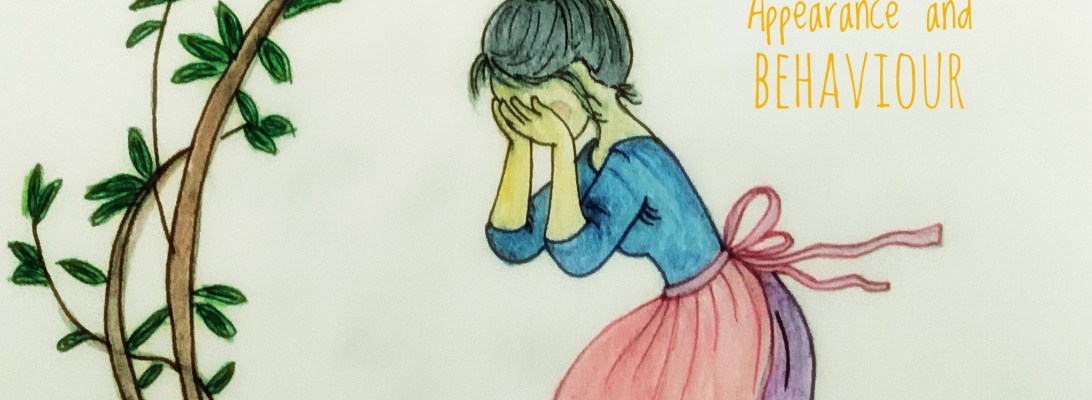
๐“๐จ ๐ฌ๐ฉ๐ซ๐ฎ๐œ๐ž ๐ฎ๐ฉ is to smarten oneself up, in oneโ€™s dress, appearance, and behaviour.

The phrase comes from Prussia with its reputation for military smartness. The spruce tree is both elegant and neat, and actually takes its name from an early spelling of Prussia.

The most familiar spruce tree species is the Norwegian spruce, used in Europe as a Christmas ๐ŸŽ„ tree.

P.S: spruce up darling, spruce up. So many breaths yet to enjoy. โ€œNever give up, never will Iโ€ – o little birdie sings to you, so try!

Bee knees

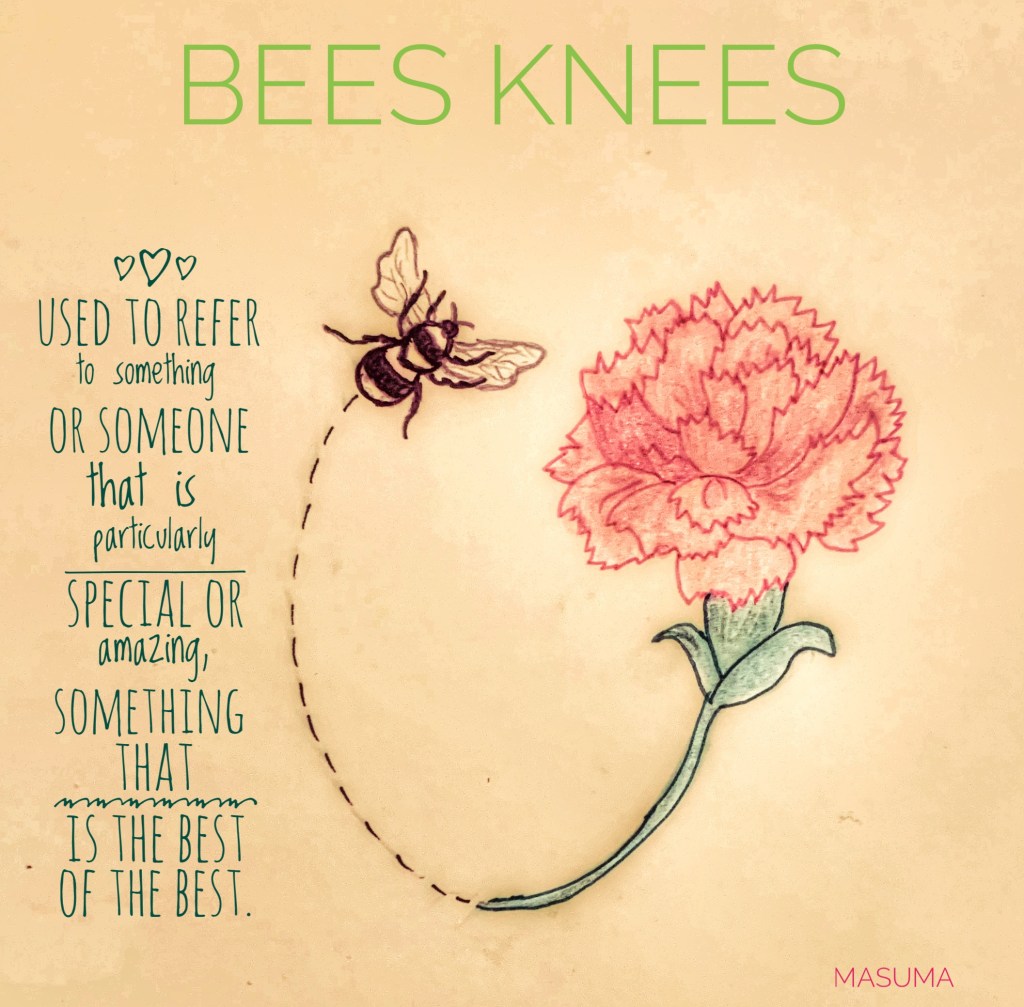
๐™ฑ๐šŽ๐šŽ๐šœ ๐š”๐š—๐šŽ๐šŽ๐šœ is used to refer someone who you consider very highly of.

It does sound like business too right ?

p.s: itโ€™s 11/11, dedicated to mom ๐Ÿ’

Butter fingers

๐ต๐“Š๐“‰๐“‰๐‘’๐“‡ ๐’ป๐’พ๐“ƒ๐‘”๐‘’๐“‡๐“ˆ – someone who lets something slip between their fingers as if they were made of butter.

p.s: to let things slip is not easy, so best endeavour is that nothing gets slipped, actually supported firmerโœจ

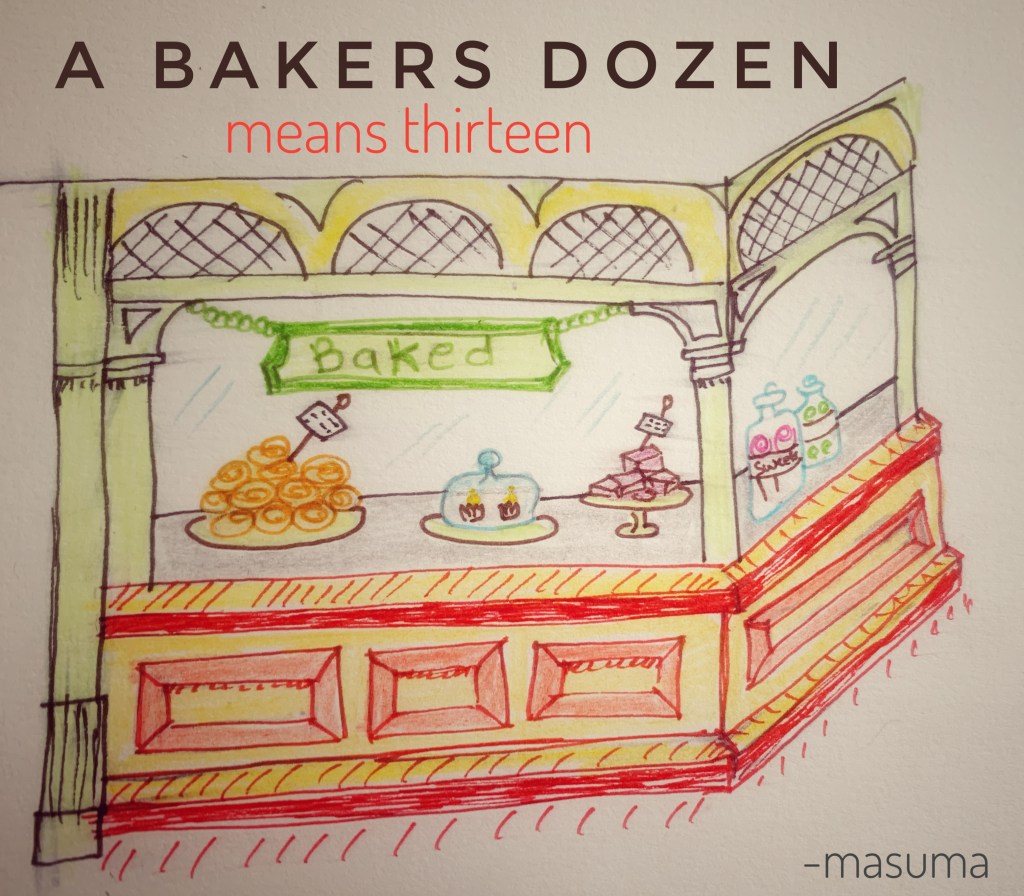
A bakerโ€™s dozen

A bakerโ€™s dozen means thirteen. In the Middle Ages, bakerโ€™s suffered severe penalties if they sold loaves of bread which were below the legal weight. To avoid prosecution for any unintentional sale below this standard the bakers added an extra loaf free to every twelve, so โ€˜a bakerโ€™s dozenโ€™ is really thirteen.

Glad rags

Gฬพlฬพaฬพdฬพ ฬพrฬพaฬพgฬพsฬพ

Thatโ€™s when a woman dresses to her finest! O happy day, O happy day!

p.s: ๐Ÿงโ€โ™€๏ธ time to put your glad rags onโœจ

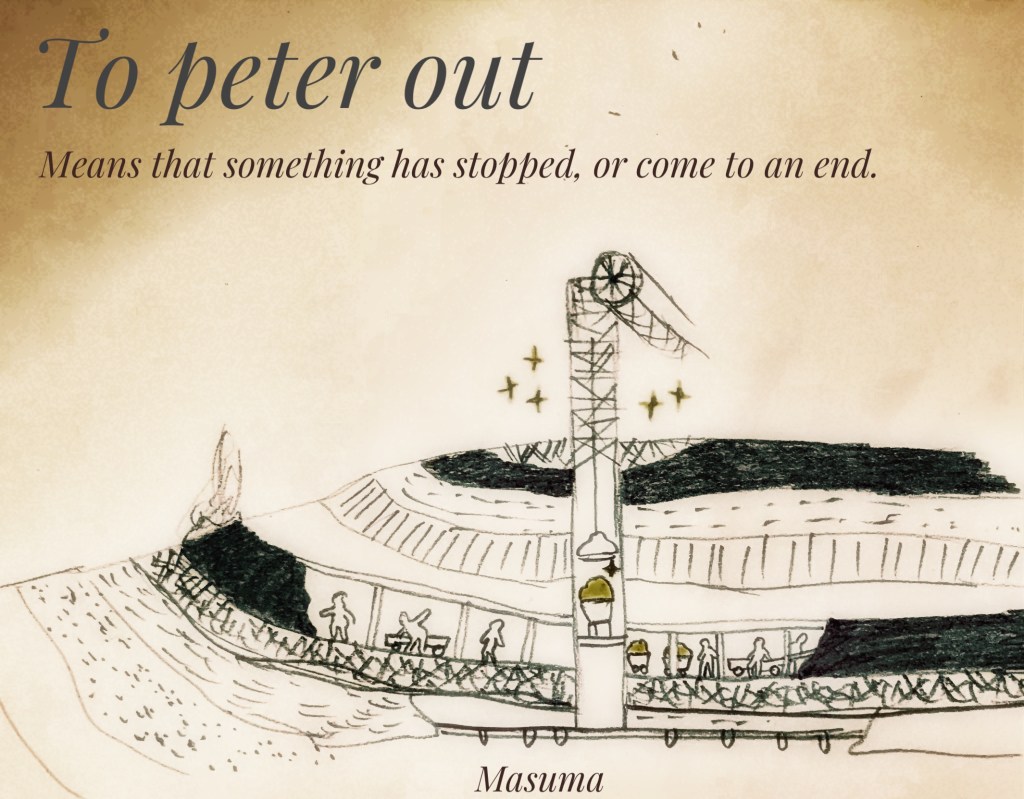
To Peter out

๐—ง๐—ผ ๐—ฃ๐—ฒ๐˜๐—ฒ๐—ฟ ๐—ผ๐˜‚๐˜ when something peters out it has stopped, or come to an end.

The phrase arose in the American goldfields during the first half of the 19th century, when the two principal methods of mining gold were used.

โ€˜Placerโ€™ mining, which had been known since ancient times, was the easiest because nature had already done most of the work, eroding and leaching gold-bearing rocks into a fine powder, or into nuggets which could be separated from the alluvial deposits in prospectorโ€™s pans.

The another method was known as โ€˜lodeโ€™ mining, in which the gold had to be extracted from solid rock.

Peter is Greek for rock, and can also refer to a vein of ore. When a seam had been worked to exhaustion and revealed no more gold, it was said to have โ€˜petered outโ€™.

Peter also obtains itโ€™s name from the saltpetre of the explosive in the gunpowder used to extract and break up the gold-bearing rocks into a workable size.

P.S: authenticity is gold, lies only vibrate purity into dark doors.