Caught Napping

๐‚๐š๐ฎ๐ ๐ก๐ญ ๐ง๐š๐ฉ๐ฉ๐ข๐ง๐  is to be found asleep and taken unawares. โ€˜Napโ€™ comes from the Saxon ๐™†๐™ฃ๐™–๐™ฅ๐™ฅ๐™ž๐™–๐™ฃ meaning to doze or sleep lightly or briefly, especially by day.

Such short naps are also known as โ€˜cat napsโ€™ as cats frequently indulge in them, but several other animals have this habit, and can be said to have been โ€˜caught nappingโ€™ while doing so.

Many birds have been observed flying far out at sea at night; when these birds have to fly over vast areas of sea, where they cannot land, they stay on the wing all night.

Some birds have been observed to fly without landing for 60 and 90 hours, and they even โ€˜cat napโ€™ during flight.

P.S: I am trying to dig my memory to find all those times when I was caught napping ๐Ÿ’คโœจ or taken a sweet cat nap. Happy catnapping!!๐Ÿ˜œ

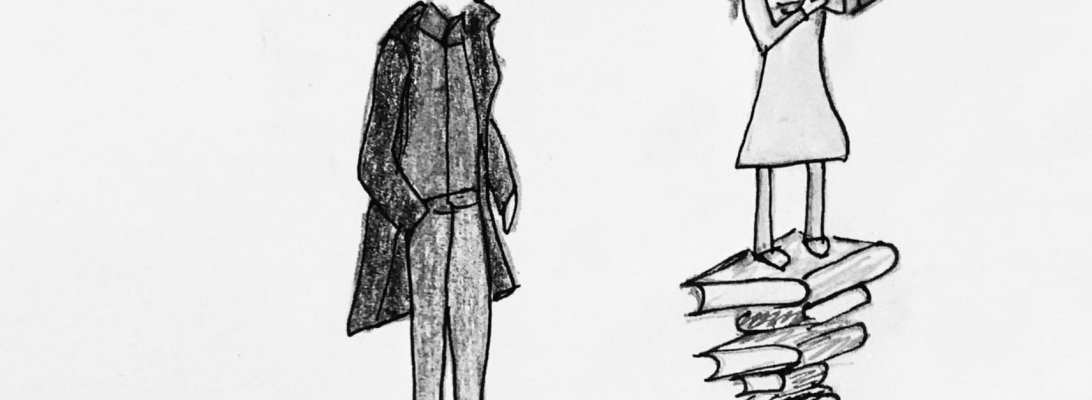
Told sub rosa

Told sub rosa (under the rose) Anything told sub rosa (under the rose) is spoken in strictest confidence and must not be repeated.
The rose in question is the white rose which has for long been the emblem of silence.

Whenever a white rose was hung above the banqueting table, no matter what was said or whatever the company, no secrets revealed were ever to be repeated. The custom originated with the Romans and spread to England, where it was widely used during the days of chivalry. It persisted until Victorian times when the living rose was replaced by a plaster motif carved in the ceilings of dining-rooms, many of which can still be seen today.

Before one can say Jack Robinson

๐—•๐—ฒ๐—ณ๐—ผ๐—ฟ๐—ฒ ๐—ผ๐—ป๐—ฒ ๐—ฐ๐—ฎ๐—ป ๐˜€๐—ฎ๐˜† ๐—๐—ฎ๐—ฐ๐—ธ ๐—ฅ๐—ผ๐—ฏ๐—ถ๐—ป๐˜€๐—ผ๐—ป is an 18th century phrase meaning immediately or very quickly, and is said to refer to an erratic gentleman of that name who rushed around to visit his neighbours, rang the front door bell, and then changed his mind and dashed off before the servant had time to announce his name.

Salad days

Shakespeare mentions these in Antony & Cleopatra (Act 1, Scene 5)

โ€œ๐”๐”ถ ๐”ฐ๐”ž๐”ฉ๐”ž๐”ก ๐”ก๐”ž๐”ถ๐”ฐ, ๐”ด๐”ฅ๐”ข๐”ซ โ„‘ ๐”ด๐”ž๐”ฐ ๐”ค๐”ฏ๐”ข๐”ข๐”ซ ๐”ฆ๐”ซ ๐”ง๐”ฒ๐”ก๐”ค๐”ข๐”ช๐”ข๐”ซ๐”ฑโ€.

The reference is to the years of inexperienced youth – green is the fresh colour of young vegetables used in salads, and represents anyone who is young and lacking in experience. This also accounts for the use of the terms โ€˜greenโ€™ and โ€˜greenhornโ€™ for anyone considered to be a novice, raw hand, or simpleton.

P.S: and salad is delicious ๐Ÿ˜‹ with the right dressing of course๐Ÿ’š.

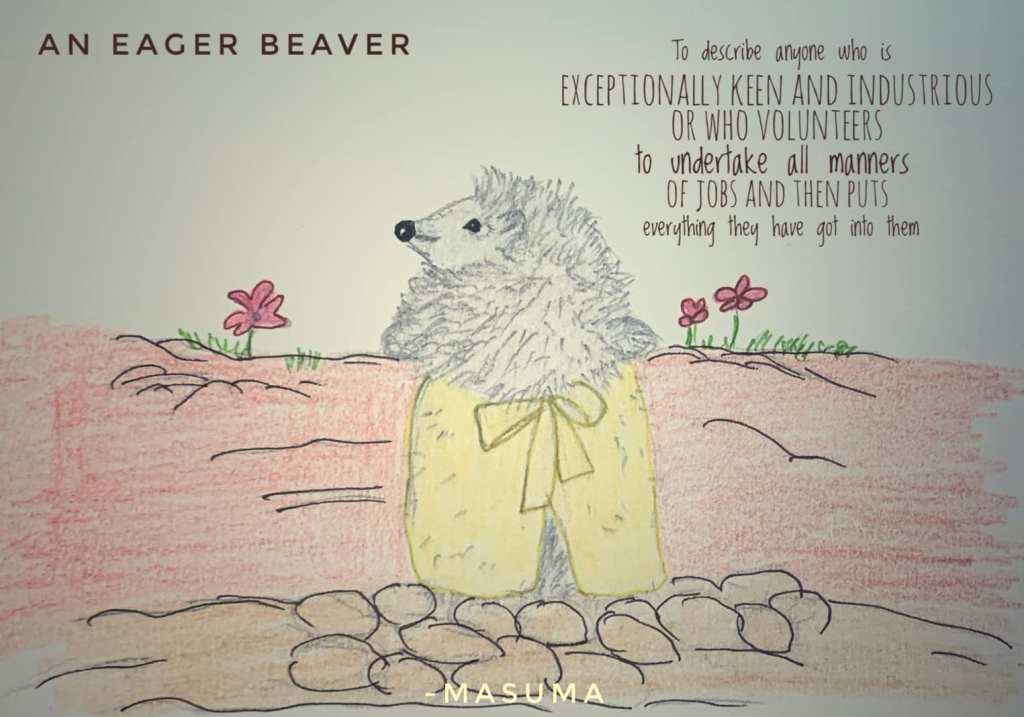
An Eager Beaver

An Eager Beaver is to describe anyone who is exceptionally keen and industrious or who volunteers to undertake all manners of jobs and then puts everything they have got into them.

Beavers are among the most intelligent and hardworking of animals as well as being remarkable โ€˜engineersโ€™, able to build dams, houses, canals and cut down trees. Besides rearing their own three or four at a time, they also take over the raising of orphaned beavers. The word โ€˜eagerโ€™ is derived through the French aigre from the Latin acer , meaning sharp, keen.

P.S: mud, stones and wood, letโ€™s build!

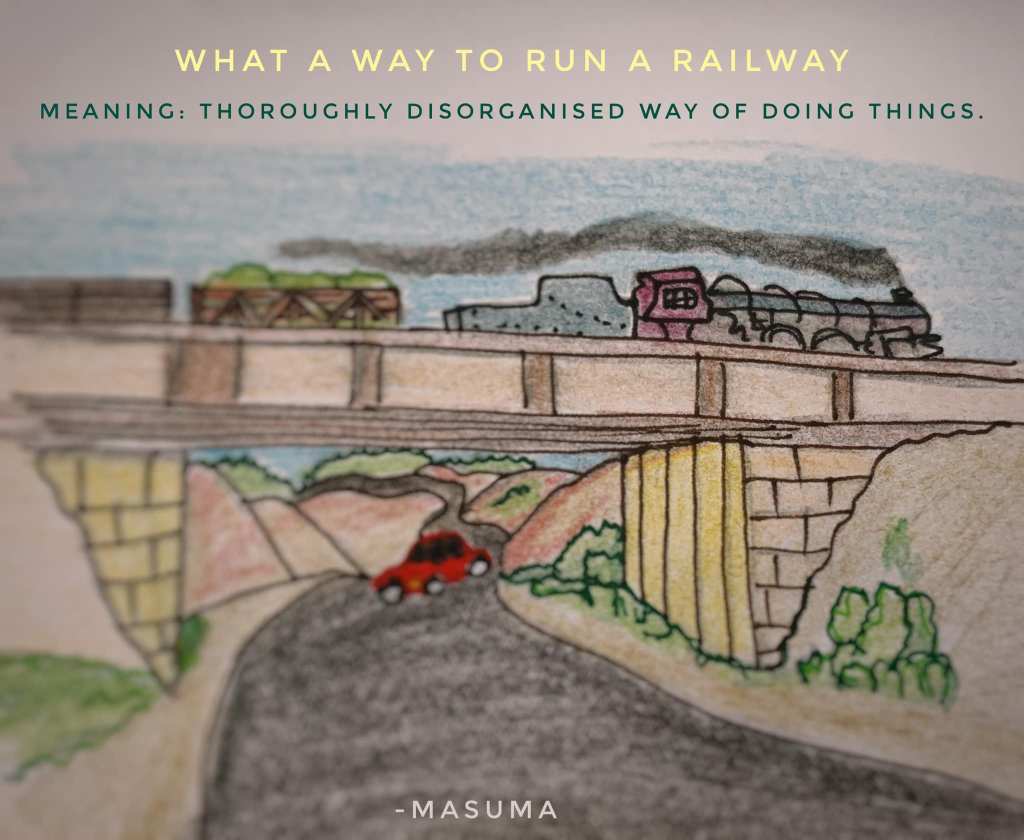
What a way to run a railway

๐–œ๐–๐–†๐–™ ๐–† ๐–œ๐–†๐–ž ๐–™๐–” ๐–—๐–š๐–“ ๐–† ๐–—๐–†๐–Ž๐–‘๐–œ๐–†๐–ž – This phrase became widely popular as the result of a cartoon which appeared in the American magazine Ballyhoo in 1932,
portraying a signalman looking out of his signal-box at two trains careering along the same line towards each other.
As he watches them about to collide head on he says, “Tch-Tch – what a way to run a railway!”

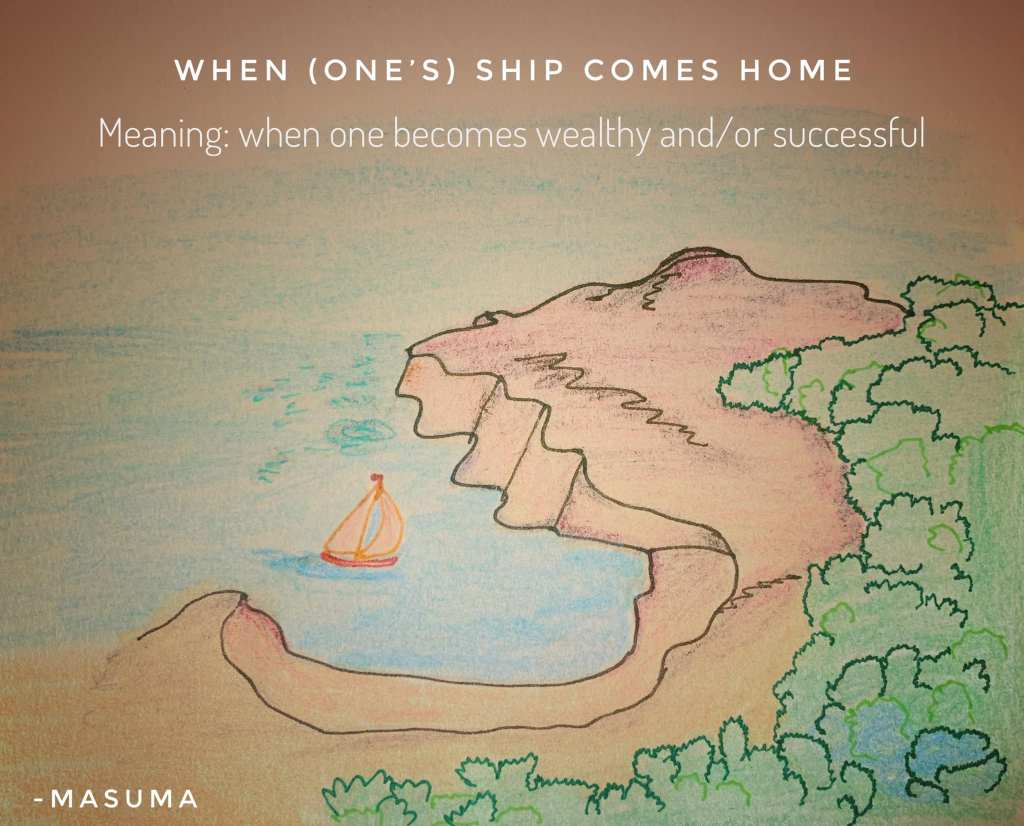
When my ship comes home

๐‘Šโ„Ž๐‘’๐‘› ๐‘š๐‘ฆ ๐‘ โ„Ž๐‘–๐‘ ๐‘๐‘œ๐‘š๐‘’๐‘  โ„Ž๐‘œ๐‘š๐‘’ – refers to the days when the merchant traders waited for their ships to return laden with goods, which they hoped to sell at considerable profit, and thus make them rich. The phrase, when used today, no longer refers literally to ships, but to any circumstance that will suddenly provide one with a fortune. When this happens it will be a time to rejoice, or pay debts, or both. But, more often than not, the phrase is used when there is little chance of this happening.