
P.S: If you are viewing this, then, you have taken a leaf from me…some part of me in you?
P.S: If you are viewing this, then, you have taken a leaf from me…some part of me in you?


Shakespeare mentions these in Antony & Cleopatra (Act 1, Scene 5)
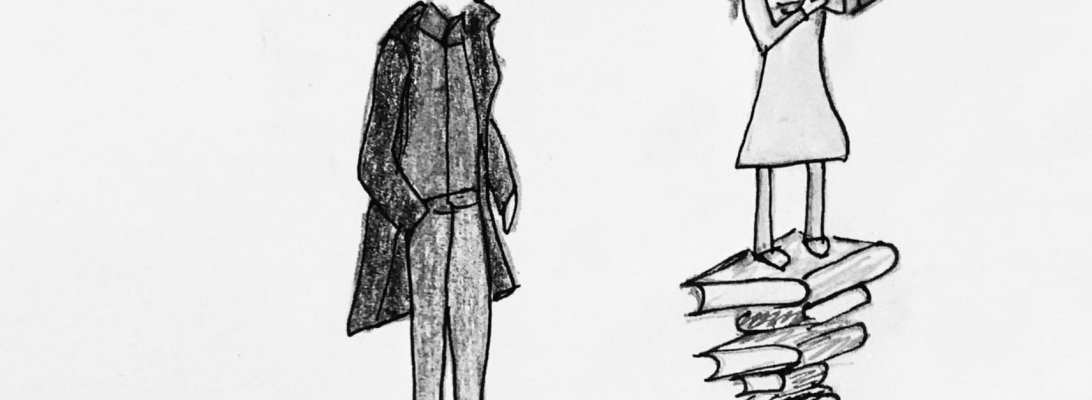
“𝔐𝔶 𝔰𝔞𝔩𝔞𝔡 𝔡𝔞𝔶𝔰, 𝔴𝔥𝔢𝔫 ℑ 𝔴𝔞𝔰 𝔤𝔯𝔢𝔢𝔫 𝔦𝔫 𝔧𝔲𝔡𝔤𝔢𝔪𝔢𝔫𝔱”.
The reference is to the years of inexperienced youth – green is the fresh colour of young vegetables used in salads, and represents anyone who is young and lacking in experience. This also accounts for the use of the terms ‘green’ and ‘greenhorn’ for anyone considered to be a novice, raw hand, or simpleton.
P.S: and salad is delicious  with the right dressing of course
 .
.

P.S: Simply happy!
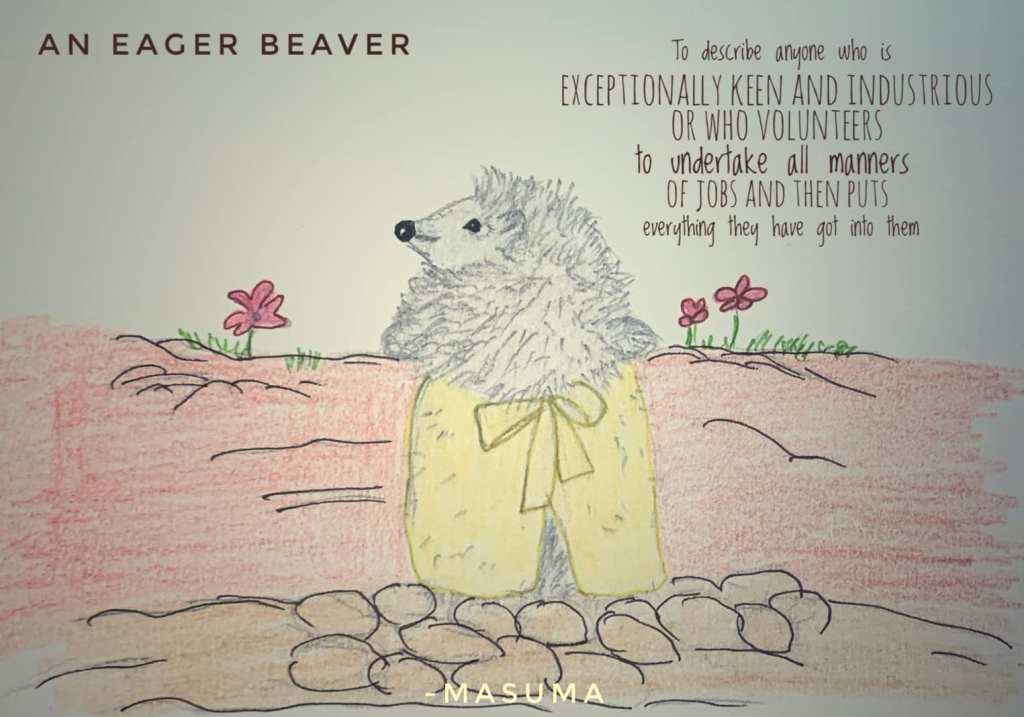
An Eager Beaver is to describe anyone who is exceptionally keen and industrious or who volunteers to undertake all manners of jobs and then puts everything they have got into them.
Beavers are among the most intelligent and hardworking of animals as well as being remarkable ‘engineers’, able to build dams, houses, canals and cut down trees. Besides rearing their own three or four at a time, they also take over the raising of orphaned beavers. The word ‘eager’ is derived through the French aigre from the Latin acer , meaning sharp, keen.
P.S: mud, stones and wood, let’s build!
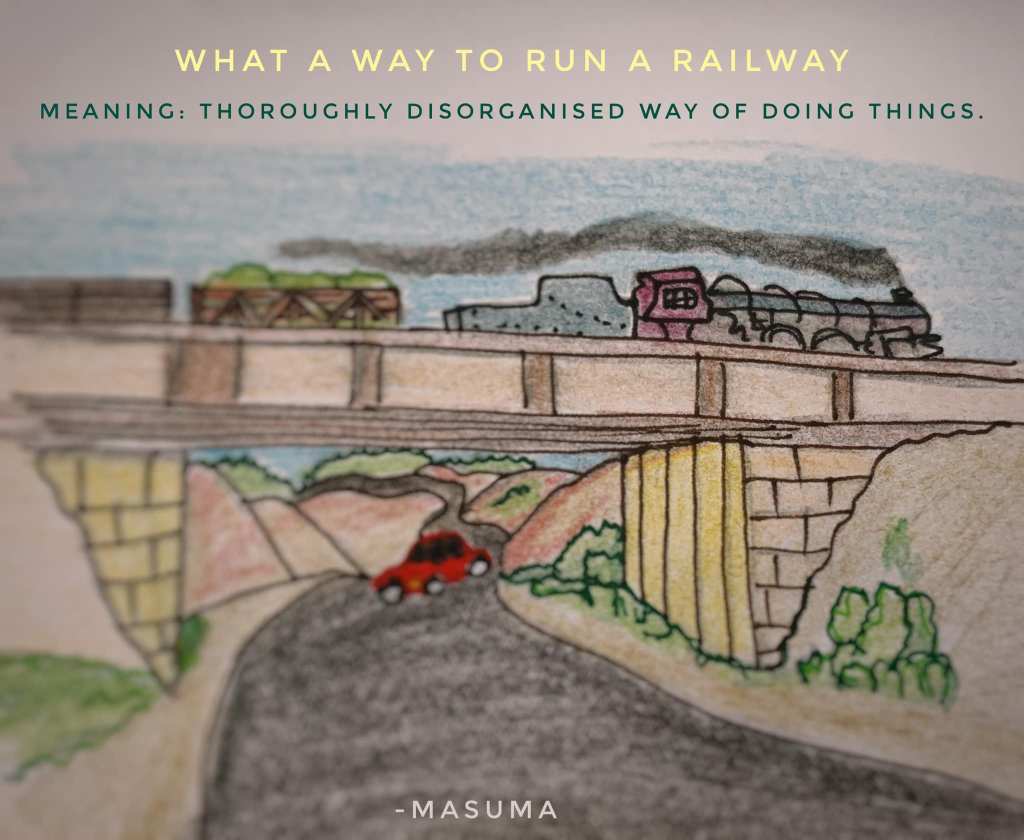
𝖜𝖍𝖆𝖙 𝖆 𝖜𝖆𝖞 𝖙𝖔 𝖗𝖚𝖓 𝖆 𝖗𝖆𝖎𝖑𝖜𝖆𝖞 – This phrase became widely popular as the result of a cartoon which appeared in the American magazine Ballyhoo in 1932,
portraying a signalman looking out of his signal-box at two trains careering along the same line towards each other.
As he watches them about to collide head on he says, “Tch-Tch – what a way to run a railway!”

𝑊ℎ𝑒𝑛 𝑚𝑦 𝑠ℎ𝑖𝑝 𝑐𝑜𝑚𝑒𝑠 ℎ𝑜𝑚𝑒 – refers to the days when the merchant traders waited for their ships to return laden with goods, which they hoped to sell at considerable profit, and thus make them rich. The phrase, when used today, no longer refers literally to ships, but to any circumstance that will suddenly provide one with a fortune. When this happens it will be a time to rejoice, or pay debts, or both. But, more often than not, the phrase is used when there is little chance of this happening.

P.S. 
 that’s how it should be right?! super duper clean
 Swabhaw - where you Feel WORDS