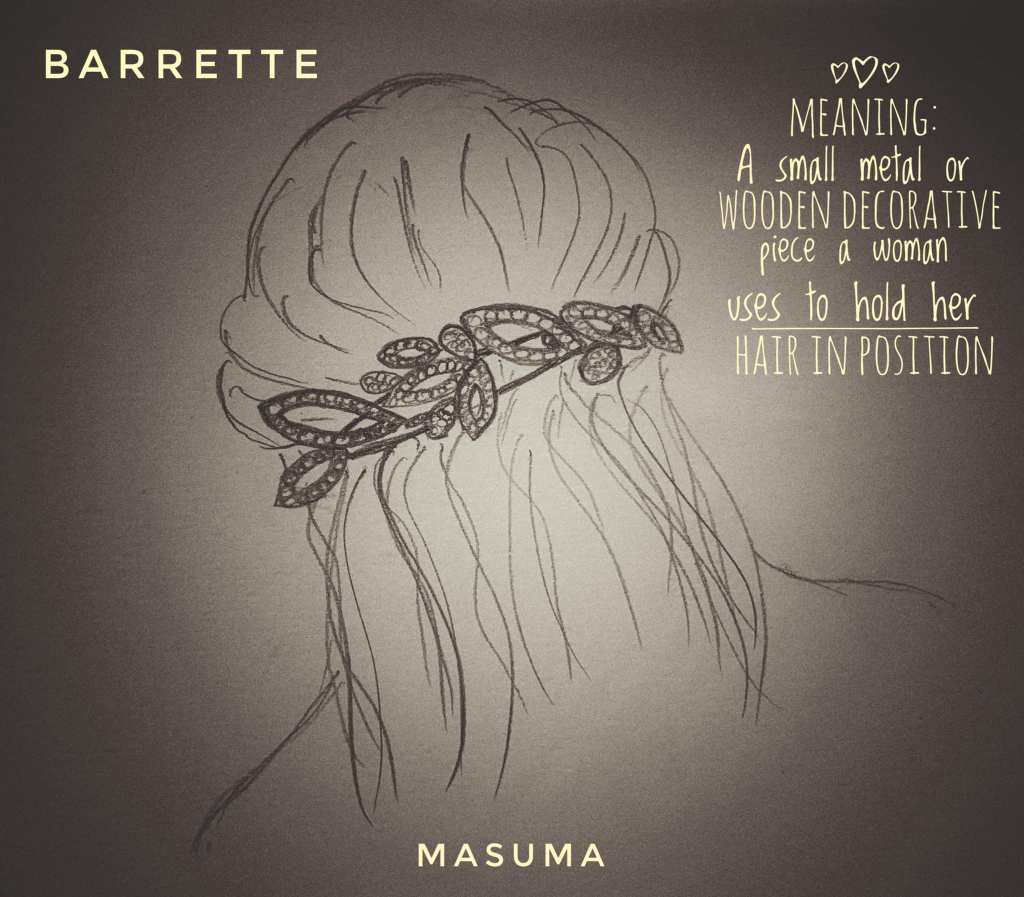
Now that glitter! Design/Art potential is everywhere.
Now that glitter! Design/Art potential is everywhere.
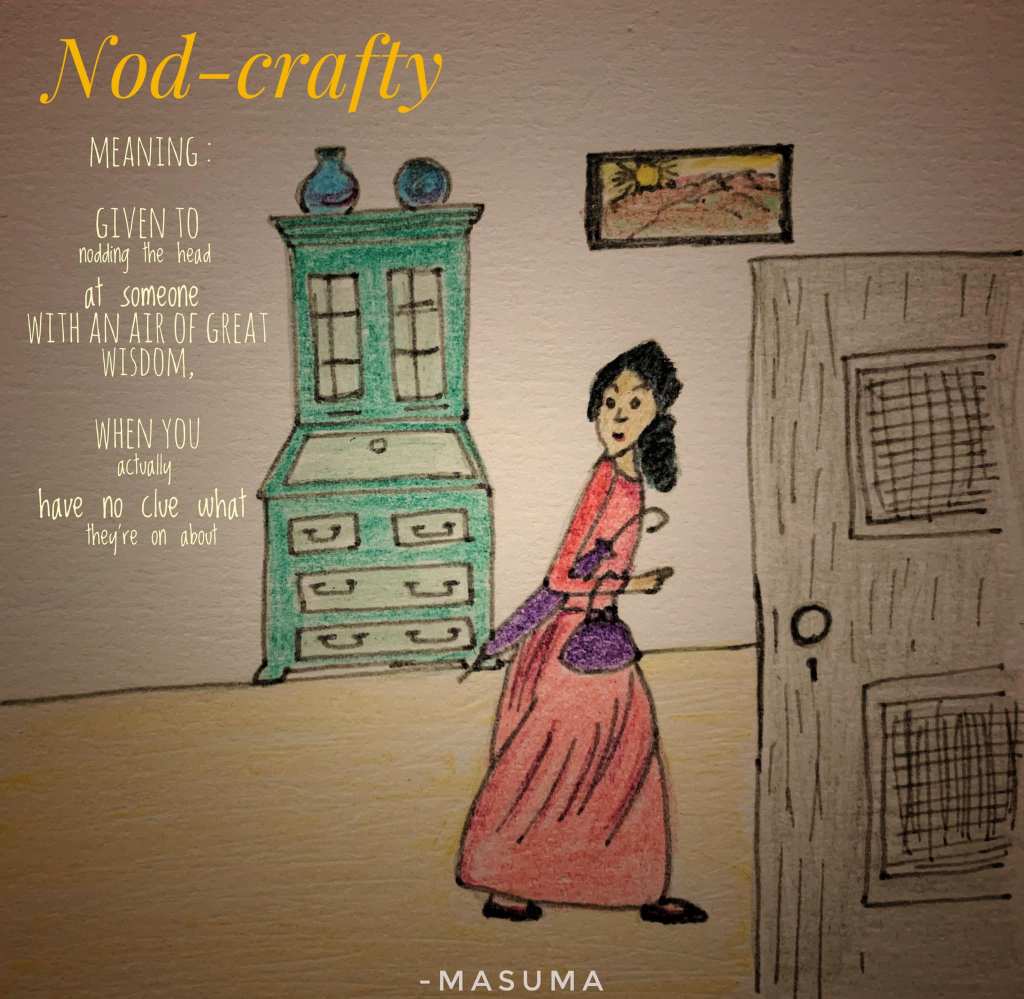
And we all have done this..  !!
!!
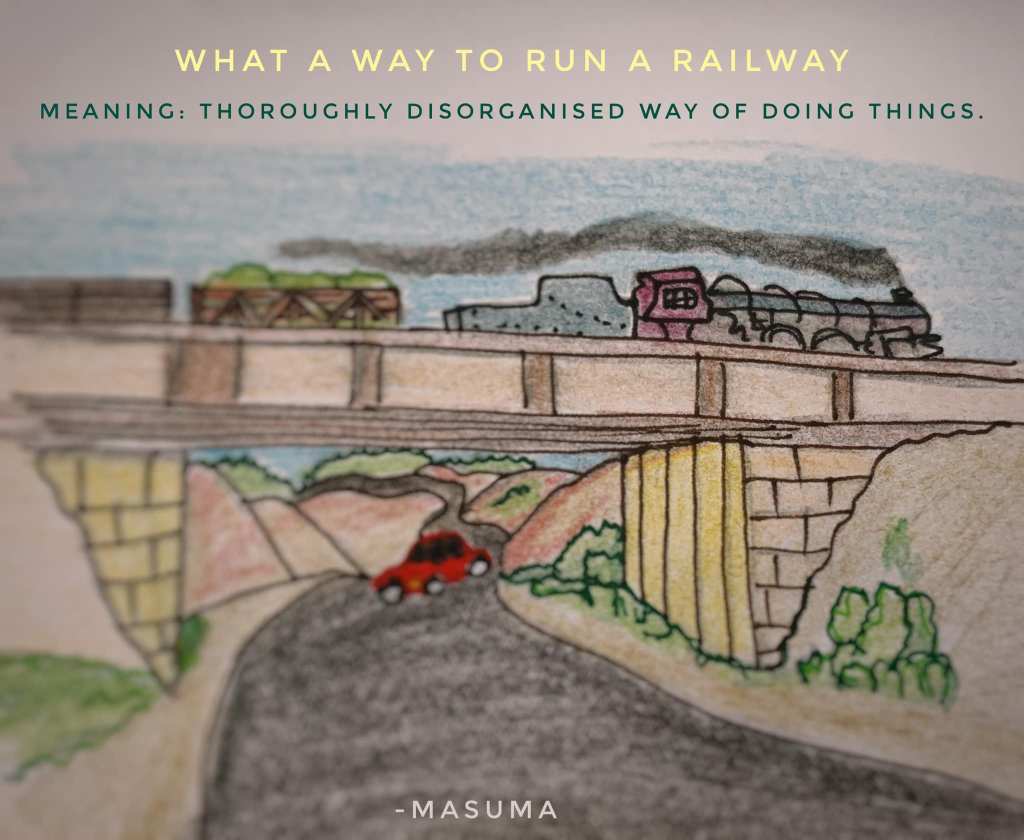
𝖜𝖍𝖆𝖙 𝖆 𝖜𝖆𝖞 𝖙𝖔 𝖗𝖚𝖓 𝖆 𝖗𝖆𝖎𝖑𝖜𝖆𝖞 – This phrase became widely popular as the result of a cartoon which appeared in the American magazine Ballyhoo in 1932,
portraying a signalman looking out of his signal-box at two trains careering along the same line towards each other.
As he watches them about to collide head on he says, “Tch-Tch – what a way to run a railway!”
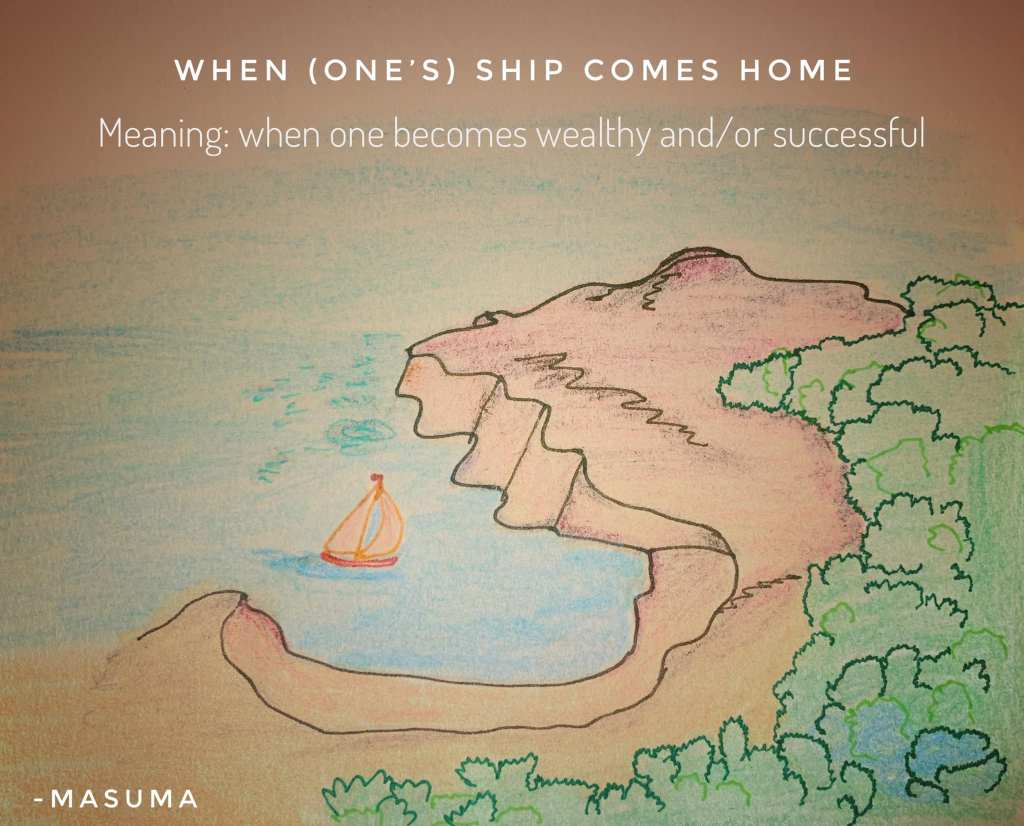
𝑊ℎ𝑒𝑛 𝑚𝑦 𝑠ℎ𝑖𝑝 𝑐𝑜𝑚𝑒𝑠 ℎ𝑜𝑚𝑒 – refers to the days when the merchant traders waited for their ships to return laden with goods, which they hoped to sell at considerable profit, and thus make them rich. The phrase, when used today, no longer refers literally to ships, but to any circumstance that will suddenly provide one with a fortune. When this happens it will be a time to rejoice, or pay debts, or both. But, more often than not, the phrase is used when there is little chance of this happening.

🍬 wishing you, that all that your heart truly desires comes to you….in its full glory ✨
Wishing you fair wind 💨

Sewing a multilayered carpet of colourful beads that presents to you charming curlicues of word wonder…day after day! You watching my smoke? 💨 👀

The phrase arose from the tactics of the American Indians in which each warrior stepped in the footprints of the one ahead, and the last one obliterated the line of footprints, so that no one should know that a large number of warriors had passed that way.
– I just feel they were so sharpened by love. It’s so beautiful to go Indian file.👣❤️

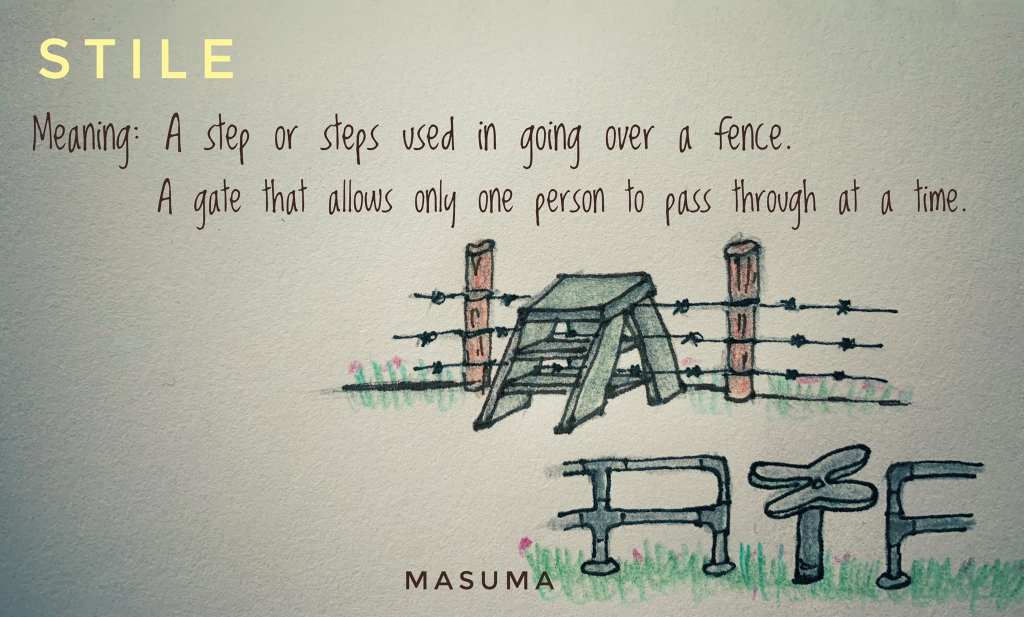
And the urge is always to go on the other side..hmm is it the better side?
Guess better or worse, it’s a leap into growth, right!?
 Swabhaw - where you Feel WORDS