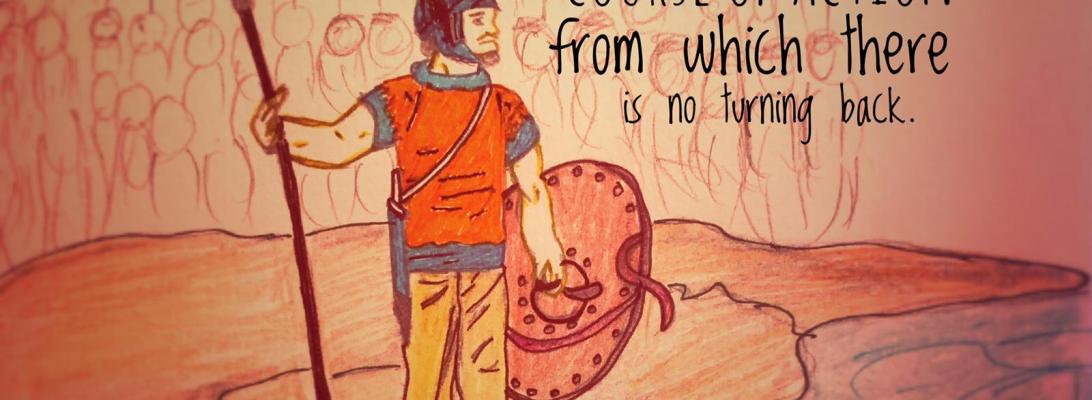
To cross the Rubicon

๐—ง๐—ผ ๐—ฐ๐—ฟ๐—ผ๐˜€๐˜€ ๐˜๐—ต๐—ฒ ๐—ฅ๐˜‚๐—ฏ๐—ถ๐—ฐ๐—ผ๐—ป means to make a decision, or take a course of action, or decisive step, which once embarked upon cannot be altered, and from which there can be no turning back or opportunity to change one’s mind. The phrase arose from the action of Julius Caesar, in 49 BC, when he was ordered to disband his army. Instead of doing so he led his dedicate legion across the shallow river Rubicon, which bounded his Gallic province in northern Italy, and marched against Rome, exclaming ‘the die is cast’. This brought about what amounted to a declaration of war against the Senate.

Fortunately for Caesar, his decision was successful and he became master of the Roman world.

P.S: To learn all politics through the Romans has evolved me into accepting of all the manipulation in this world and understand people/power better.
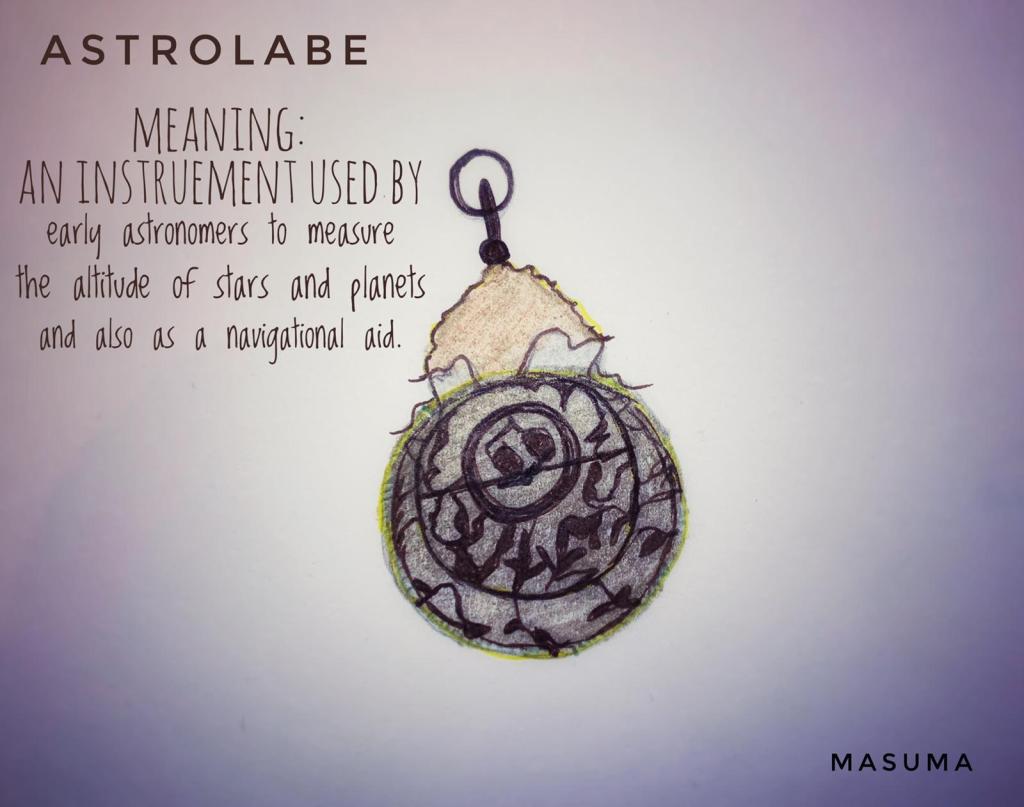
Astrolabe

The need to create a precise calendar for Muslim religious observances and pinpoint the direction of Mecca for prayers energized the fields of maths and astronomy. To measure the position of celestial bodies, Muslims perfected a Greek invention, the handheld Astrolabe. Author of a pioneering 9th-century treatise on algebra, Persian mathematical astronomer Al-Khawrizmi introduced Hindu numerals (and zero), which came to be called Arabic numerals. The word “algorithm” comes from his name.

P.S: Algorithms attracts one’s mind to focus on a problem delicately and deeply.

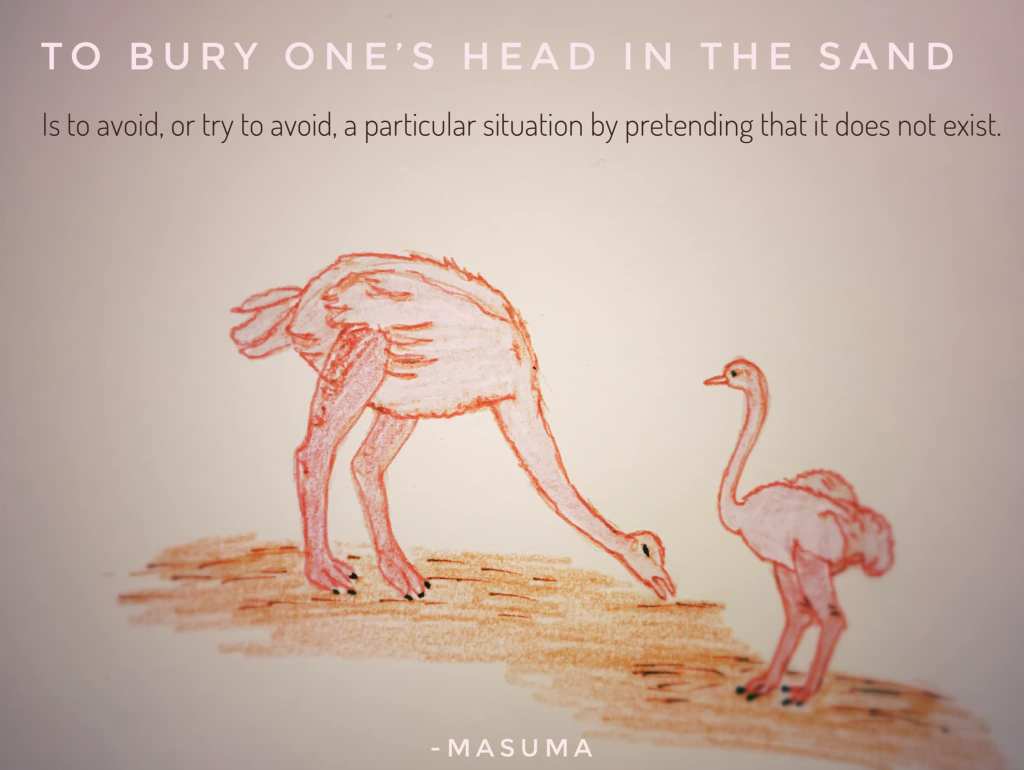
To bury one’s head in the sand

แด›แด ส™แดœส€ส แดษดแด‡โ€™๊œฑ สœแด‡แด€แด… ษชษด แด›สœแด‡ ๊œฑแด€ษดแด… is to refuse to take any notice of a difficulty or problem; to pretend that it does not exist, or think it will go away, or solve itself. The expression is based on the habit of the ostrich which is reputed to bury its head in sand when pursued and in danger, in belief that it cannot be seen.

The ostrich, which is the largest flightless bird of Africa, up to 9ft in height, does not, in fact, do any such thing.

Despite their size, and their weight of around 136kg, ostriches are extremely agile. When they sense the approach of predators they bend their necks parallel to the ground to listen intently and if in danger, they are able to escape running away at speeds of up to 40 mph.

They probably give the impression that they bury their heads when they are seen bending their necks, and listening close to the ground, or when attending the eggs in their nests, which consists of a simple depression scraped in the sand.

P.S – so concerned, though being buried is a better choice at times..๐Ÿ™‡๐Ÿปโ€โ™€๏ธ

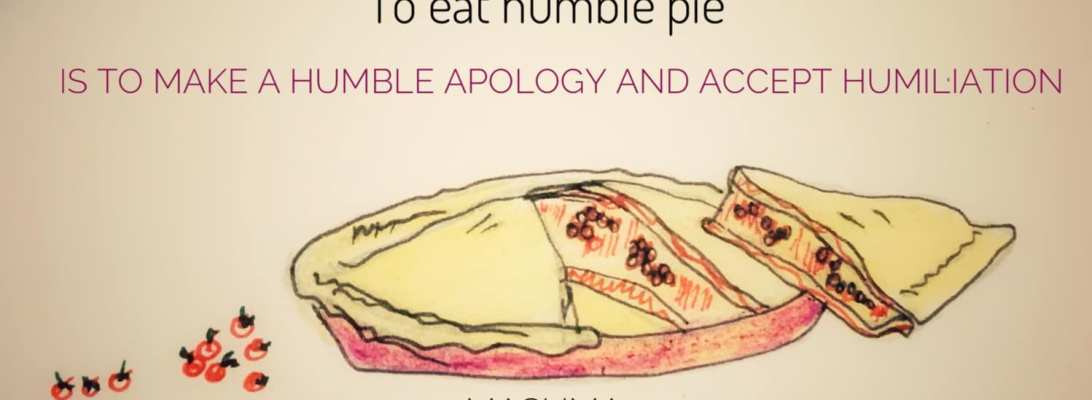
To eat humble pie

แด›แด แด‡แด€แด› สœแดœแดส™สŸแด‡ แด˜ษชแด‡ means to be prepared to suffer humiliation by admitting that one is wrong, whether one believes this to be so or not, and to apologise for what one has done or said.

The expression probably arose from medieval dining customs. The choicest meat was served to the master of the household, his family and guests and the less desirable were given to the staff, baked in the form of pies

Caught Napping

๐‚๐š๐ฎ๐ ๐ก๐ญ ๐ง๐š๐ฉ๐ฉ๐ข๐ง๐  is to be found asleep and taken unawares. โ€˜Napโ€™ comes from the Saxon ๐™†๐™ฃ๐™–๐™ฅ๐™ฅ๐™ž๐™–๐™ฃ meaning to doze or sleep lightly or briefly, especially by day.

Such short naps are also known as โ€˜cat napsโ€™ as cats frequently indulge in them, but several other animals have this habit, and can be said to have been โ€˜caught nappingโ€™ while doing so.

Many birds have been observed flying far out at sea at night; when these birds have to fly over vast areas of sea, where they cannot land, they stay on the wing all night.

Some birds have been observed to fly without landing for 60 and 90 hours, and they even โ€˜cat napโ€™ during flight.

P.S: I am trying to dig my memory to find all those times when I was caught napping ๐Ÿ’คโœจ or taken a sweet cat nap. Happy catnapping!!๐Ÿ˜œ

Told sub rosa

Told sub rosa (under the rose) Anything told sub rosa (under the rose) is spoken in strictest confidence and must not be repeated.
The rose in question is the white rose which has for long been the emblem of silence.

Whenever a white rose was hung above the banqueting table, no matter what was said or whatever the company, no secrets revealed were ever to be repeated. The custom originated with the Romans and spread to England, where it was widely used during the days of chivalry. It persisted until Victorian times when the living rose was replaced by a plaster motif carved in the ceilings of dining-rooms, many of which can still be seen today.

Before one can say Jack Robinson

๐—•๐—ฒ๐—ณ๐—ผ๐—ฟ๐—ฒ ๐—ผ๐—ป๐—ฒ ๐—ฐ๐—ฎ๐—ป ๐˜€๐—ฎ๐˜† ๐—๐—ฎ๐—ฐ๐—ธ ๐—ฅ๐—ผ๐—ฏ๐—ถ๐—ป๐˜€๐—ผ๐—ป is an 18th century phrase meaning immediately or very quickly, and is said to refer to an erratic gentleman of that name who rushed around to visit his neighbours, rang the front door bell, and then changed his mind and dashed off before the servant had time to announce his name.

Salad days

Shakespeare mentions these in Antony & Cleopatra (Act 1, Scene 5)

โ€œ๐”๐”ถ ๐”ฐ๐”ž๐”ฉ๐”ž๐”ก ๐”ก๐”ž๐”ถ๐”ฐ, ๐”ด๐”ฅ๐”ข๐”ซ โ„‘ ๐”ด๐”ž๐”ฐ ๐”ค๐”ฏ๐”ข๐”ข๐”ซ ๐”ฆ๐”ซ ๐”ง๐”ฒ๐”ก๐”ค๐”ข๐”ช๐”ข๐”ซ๐”ฑโ€.

The reference is to the years of inexperienced youth – green is the fresh colour of young vegetables used in salads, and represents anyone who is young and lacking in experience. This also accounts for the use of the terms โ€˜greenโ€™ and โ€˜greenhornโ€™ for anyone considered to be a novice, raw hand, or simpleton.

P.S: and salad is delicious ๐Ÿ˜‹ with the right dressing of course๐Ÿ’š.